About the Books
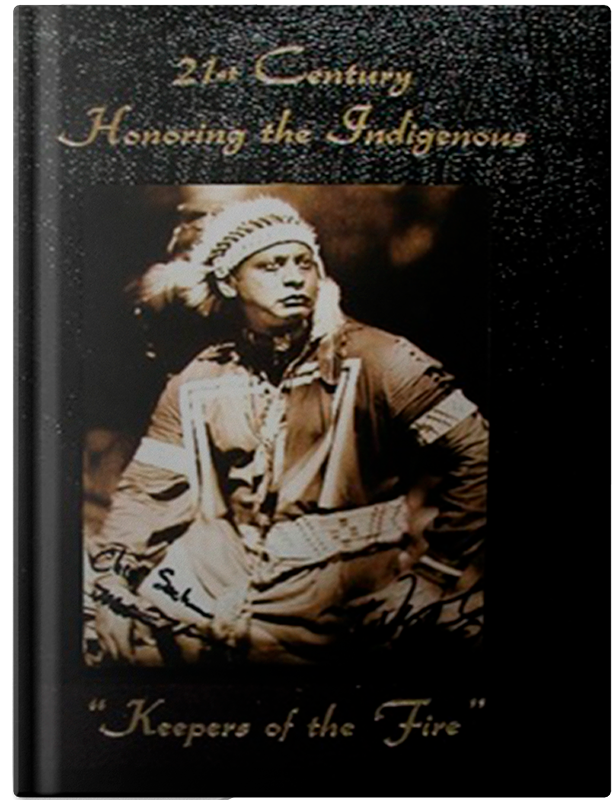
21st CENTURY HONORING THE INDIGENOUS
Tabletop Edition
Part I
The majority of these selections were photographed during the last ceremonial Pow Wows of the 20th century and the first of the 21st century, primarily among two of the oldest tribes of the Eastern Shore. The Narragansett of Rhode Island are vividly portrayed within the pages of Part I who invited Dominic to their ceremonies to tell their story in their own words and images.
Part II
Part II presents images and stories of the Mashpee Wampanoag, the “People of the First Light.” The complete portfolio also includes photography of the Mohegan, Pequot, Cherokee, Meherrin, Delaware Munsi, Nipmuc, Shinnecock of Long Island, Lenape, Six Nations, Seneca, Tuscarora, Onondaga, Mohawk, Chippewa-Cree, Cayuga, Teewhisoro Abenaki of Quebec, Southern Ute, Jicarilla Apache, Choctaw, Navajo, Lakota Sioux, Oglala Sioux of South Dakota, Pawnee, Salish of British Columbia, and the Aztec of Mexico.
My photography is the medium I have chosen to cross borders, boundaries, and barriers. It is the inspiration of my life, the focus of my work, and the mission behind my vision. Through the eye of the camera, it is not merely what you see, but what you are able to make others see.
Whitby
Kippers in The Smokehouse
Between Heaven and the Deep Blue Sea is a timeless photographic and cultural tribute to the historic fishing town of Whitby, England. Through evocative black-and-white photography, personal reflections, local stories, and portraits of fishermen, families, shipbuilders, and everyday townspeople, photographer Dominic Alessandra captures the soul of a disappearing maritime world. Blending history, heritage, folklore, and human connection, the book preserves the spirit of Whitby’s coastal life while exploring themes of tradition, identity, resilience, and cultural memory across generations.

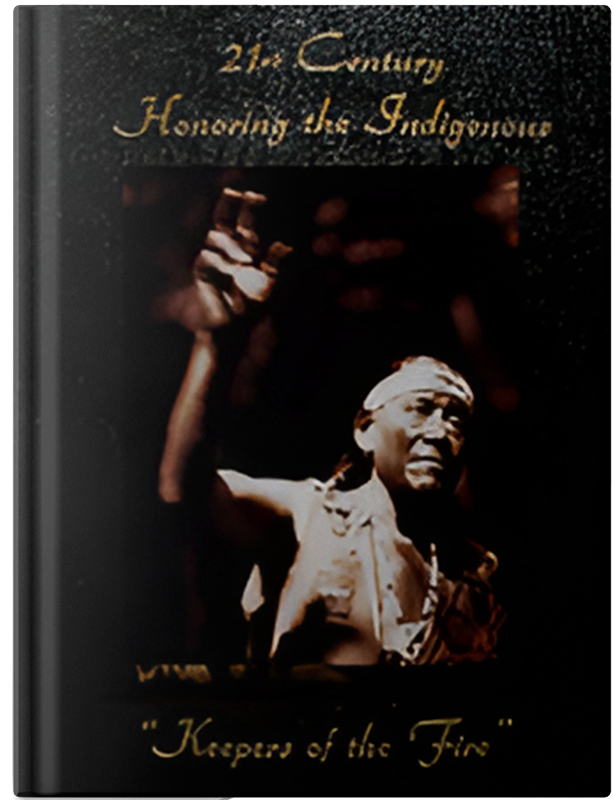
21st CENTURY HONORING THE INDIGENOUS
Supplementary Edition
Honoring the Indigenous Keepers of the Fire Supplementary edition is a profound photographic and literary tribute to the enduring spirit, traditions, and voices of Indigenous Nations across North America. Combining powerful portrait photography, oral histories, poetry, tribal teachings, and historical reflections, the book honors Native communities who continue to preserve their cultural identity, spirituality, and ancestral wisdom in the modern world. Through stories of resilience, ceremony, heritage, and survival, the collection serves as both an artistic documentary and a heartfelt celebration of Indigenous peoples carrying the sacred “fire” of tradition into the 21st century.
Sea Captains Row on Cape Cod
The Crowell Homestead
“Keepers of Sea Captains Row” is not a social organization or private club, but a preservation and rescue mission dedicated to protecting the history of Sea Captains Row and the historic Crowell Homestead.
This remarkable property, including its Carriage House barn and stable, stands as living history a testament to the maritime heritage of Pleasant Street, Captain Crowell’s enduring legacy, and the many Sea Captains who once shaped the neighborhood.
The Crowell Homestead remains a landmark and cornerstone of Sea Captains Row’s historic past, preserving an increasingly endangered heritage now threatened by modern development. Our mission is to safeguard this unique maritime history for both present and future generations.

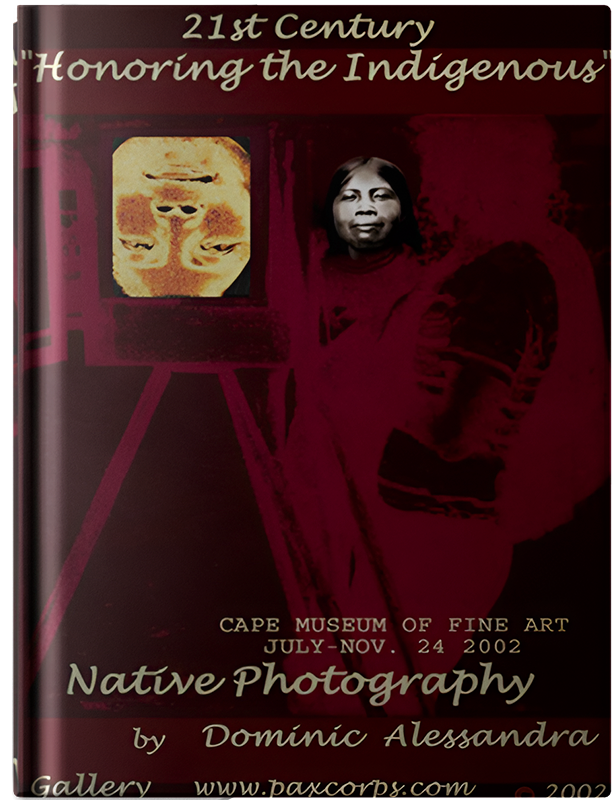
21st CENTURY HONORING THE INDIGENOUS
Ionographs
IONO GRAPHS is a visually powerful photography collection that explores humanity, culture, spirituality, and identity through the lens of artistic expression. Created by photographer and storyteller Dominic Alessandra, the book introduces the concept of “Photo-Ionography™” a distinctive fusion of traditional photography and energized visual transformation designed to evoke emotion, and deeper human connection. Through portraits, cultural imagery, and reflective essays, IONO GRAPHS celebrates Indigenous heritage, human dignity, freedom, and the enduring spirit that connects people across borders, generations, and beliefs.
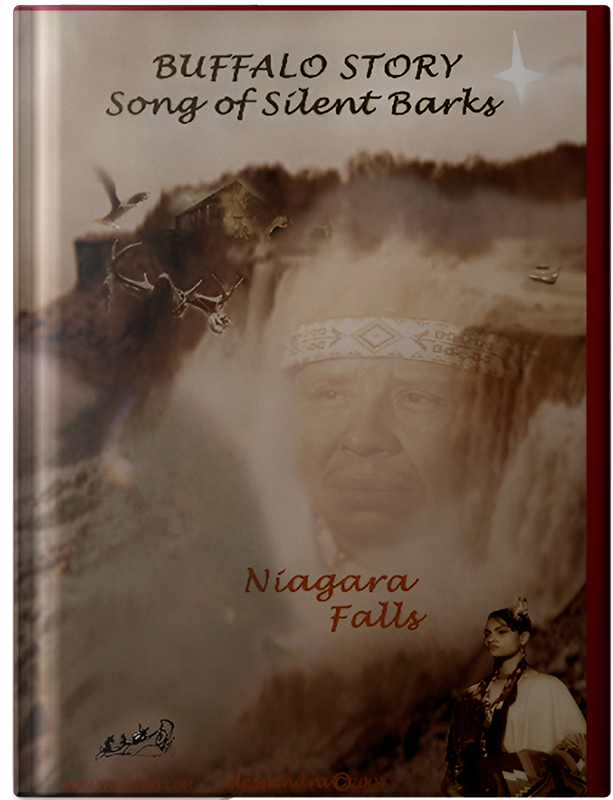
BUFFALO STORY
Song of Silent Barks
The Song of Silent Barks journeys into the deep Indigenous and early cultural origins of Buffalo, weaving together language, legend, and the natural beauty surrounding the Niagara River. Through poetic storytelling, the work explores how the city’s identity may have emerged from Native American, Seneca, and French influences tied to the land, the river, and the wild buffalo that once roamed the region.
The narrative introduces possible historical and linguistic roots connected to Buffalo’s name and heritage:
“Ticheachgogoghahaudo” interpreted as “the place where Buffalo drank.”
“Degiyahgoh” a Seneca word associated with Buffalo and “the place where Buffalo fished.”
“Beau Fleuve” from the French, meaning “beautiful river,” describing the majestic flow of the Niagara.
“Beau Fleur” suggesting “beautiful flowers,” inspired by the rich natural landscape along the riverbanks.
Blending history with mythology, the poem evokes imagery of ancient waterways, birch and basswood canoes, and the enduring spirit of Indigenous life along Niagara:
“On the banks of Ticheachgogoghahaudo… above the thunder of Niagara… whisper the silent barks of Teosahwah… place of basswood and birch… where the wild Buffalo drank…”
The illustrated edition expands this vision through visual storytelling, bringing to life the sacred geography, native traditions, and untold origins of Buffalo’s past. More than a poem, The Song of Silent Barks serves as a cultural reflection on the spirit of the Niagara frontier and the enduring echoes of its first peoples.